Iran's IRGC Threatens US Tech Firms in Middle East
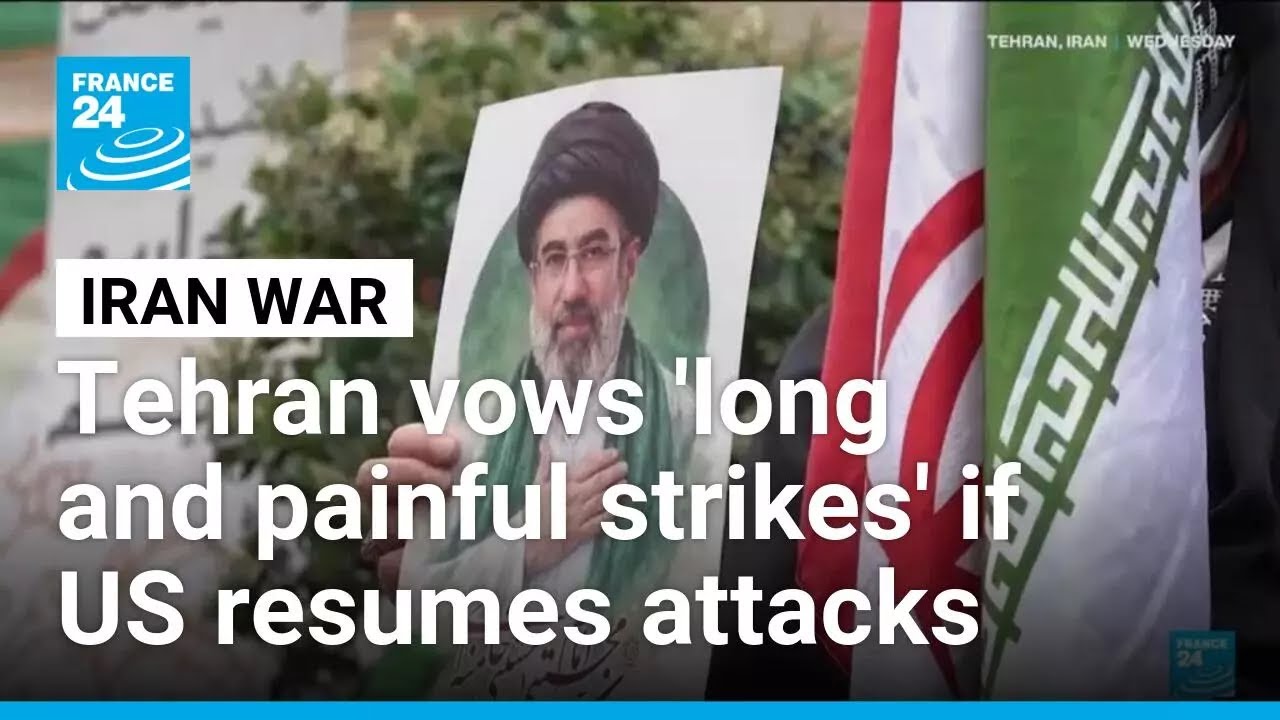
Iran's Islamic Revolutionary Guard Corps (IRGC) has declared its intention to target major **U.S. technology companies** operating in the **Middle East**. This
Summary
Iran's Islamic Revolutionary Guard Corps (IRGC) has declared its intention to target major **U.S. technology companies** operating in the **Middle East**. This announcement, made by IRGC officials, signals a potential escalation of geopolitical tensions into the digital and economic spheres. The threat specifically names prominent tech giants like **Apple**, **Microsoft**, **Google**, **HP**, **Meta**, and **Tesla**, indicating a broad scope for potential disruption. The move could impact regional economies and the global supply chains of these influential companies, raising concerns about cybersecurity and economic stability in the Middle East.
Key Takeaways
- Iran's IRGC has explicitly threatened to target major U.S. tech companies operating in the Middle East.
- Prominent companies like Apple, Microsoft, Google, HP, Meta, and Tesla are named as potential targets.
- The announcement signals a potential escalation of Iran's confrontational stance into the digital and economic domains.
- The actual capabilities and intent behind the threat remain unverified, creating uncertainty.
- This development raises significant concerns about regional cybersecurity, economic stability, and global tech operations.
Balanced Perspective
The IRGC's statement represents a **declaratory threat** against U.S. tech companies in the Middle East. The specific companies named are major players in cloud computing, software, hardware, and social media, all critical to modern infrastructure and communication. The effectiveness and scope of any potential actions remain **unclear**, dependent on the IRGC's capabilities and strategic objectives. This announcement could be a form of **information warfare** or a precursor to actual cyber operations, with implications for regional stability and the operations of multinational corporations.
Optimistic View
This threat could spur greater **cybersecurity investment** and **collaboration** among U.S. tech firms and their regional partners, ultimately strengthening defenses against state-sponsored cyberattacks. It might also encourage diversification of technological infrastructure away from potential conflict zones, fostering innovation in less vulnerable markets. The clear declaration of intent allows for proactive threat mitigation and the development of robust contingency plans, potentially turning a threat into a catalyst for enhanced resilience.
Critical View
This threat signals a dangerous expansion of Iran's confrontational posture, potentially leading to **significant disruptions** in critical digital infrastructure across the Middle East. The targeting of major tech firms could result in widespread service outages, data breaches, and economic fallout, impacting businesses and individuals reliant on these platforms. It also raises the specter of retaliatory cyberattacks, escalating a digital conflict with potentially devastating real-world consequences for regional stability and global markets.
Source
Originally reported by The Hill