Iran's IRGC Threatens US Tech Giants with Attacks
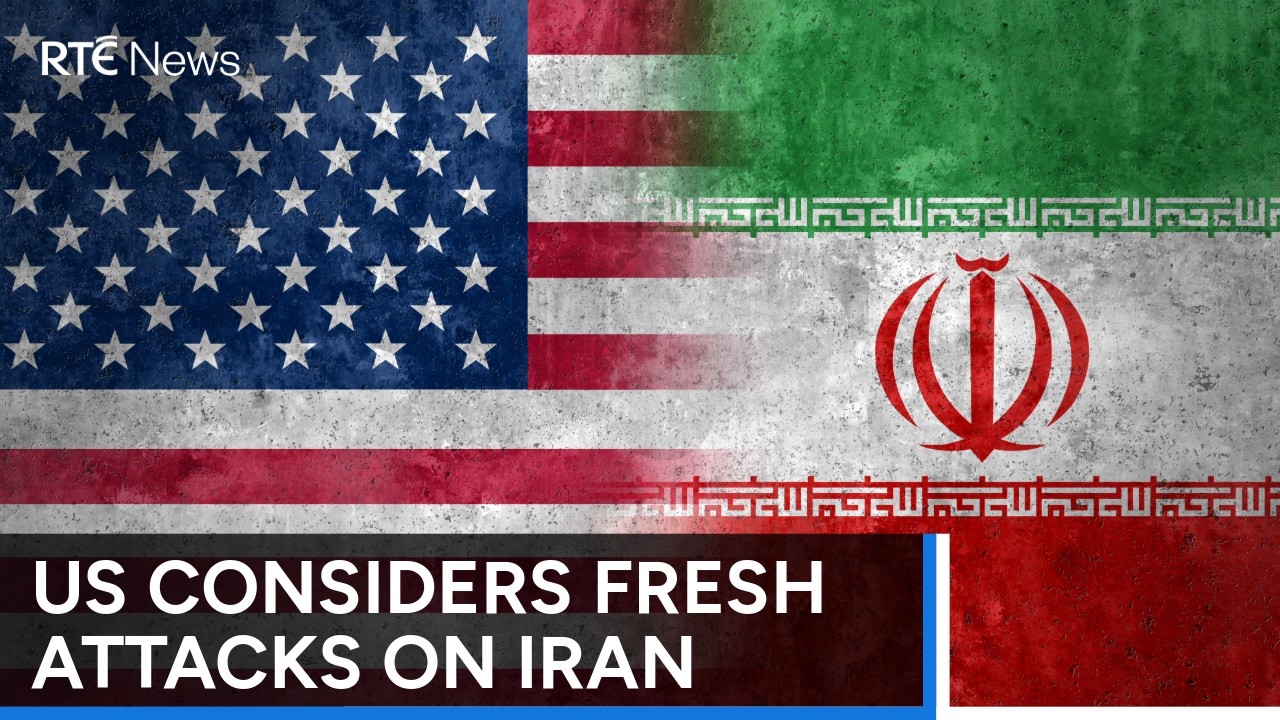
Iran's **Islamic Revolutionary Guard Corps (IRGC)** has issued a direct threat to launch attacks against over a dozen major **US tech firms**, including **Apple
Summary
Iran's **Islamic Revolutionary Guard Corps (IRGC)** has issued a direct threat to launch attacks against over a dozen major **US tech firms**, including **Apple**, **Google**, **Microsoft**, and **Tesla**, beginning April 1st. The IRGC claims these companies enable US military operations and are therefore "legitimate targets." This warning follows a series of Iranian drone strikes on **Amazon Web Services** data centers in the UAE and Bahrain in March, and escalates a campaign of cyber and physical threats against American commercial infrastructure. The conflict, sparked by the assassination of Supreme Leader **Ali Khamenei**, has already resulted in significant casualties on both sides and disrupted regional services.
Key Takeaways
- Iran's IRGC has directly threatened to attack major US tech firms operating in the Middle East.
- The threats are framed as retaliation for US and Israeli actions, specifically the assassination of Supreme Leader Ali Khamenei.
- Targeted companies include giants like Apple, Google, Microsoft, and Tesla, accused of enabling US military operations.
- This follows previous Iranian drone strikes on Amazon Web Services data centers.
- The situation highlights the growing intersection of cyber warfare, geopolitical conflict, and commercial technology.
Balanced Perspective
The IRGC has a documented history of cyberattacks and has demonstrated a willingness to target commercial infrastructure, as evidenced by the March strikes on AWS data centers. The specific list of companies, including those critical to US military operations like **Palantir**, suggests a calculated strategy. While the full extent of Iran's capabilities and intent remains to be seen, the threat necessitates a heightened state of alert for affected companies and governments, with potential for significant disruption to regional commerce and digital services.
Optimistic View
The IRGC's threats, while alarming, may be largely rhetorical, designed to project strength and sow fear without substantial follow-through. The targeted companies, with robust cybersecurity measures and significant geopolitical backing, are unlikely to suffer catastrophic damage. Furthermore, the US military's active defense against Iranian drone networks and potential diplomatic overtures could de-escalate the situation, preserving the vital tech infrastructure that underpins regional development in areas like [[artificial-intelligence|AI]].
Critical View
This threat marks a dangerous escalation, blurring the lines between state-sponsored warfare and cybercrime, and directly endangering civilian employees and critical infrastructure. The IRGC's designation of tech firms as "legitimate targets" could embolden other state or non-state actors to pursue similar tactics, creating a volatile digital landscape. The reliance of the [[US Department of Defense|Pentagon]] on commercial vendors like **Palantir** for AI-driven targeting makes this a critical vulnerability that Iran could exploit, potentially leading to wider regional conflict.
Source
Originally reported by WIRED