Trump Claims Iran 'In State of Collapse,' Demands Open Strait of
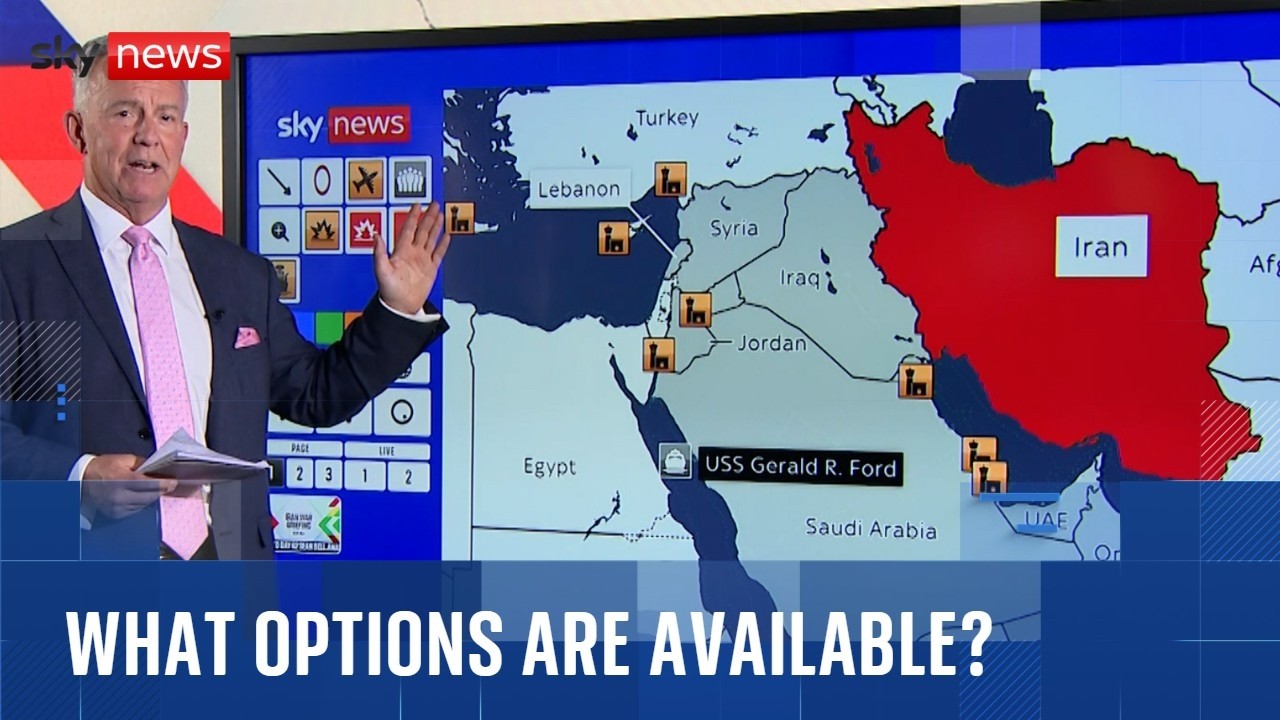
Former President **Donald Trump** has asserted that **Iran** is in a "state of collapse" and is seeking to keep the **Strait of Hormuz** open. This statement, r
Summary
Former President **Donald Trump** has asserted that **Iran** is in a "state of collapse" and is seeking to keep the **Strait of Hormuz** open. This statement, relayed by Press Secretary **Karoline Leavitt**, reiterates Trump's long-standing demands for peace with Tehran. The assertion comes amid ongoing geopolitical tensions in the Middle East, where the Strait of Hormuz is a critical chokepoint for global oil trade. Trump's administration previously pursued a 'maximum pressure' campaign against Iran, including sanctions and military posturing. This latest declaration signals a potential continuation of such hardline policies should he return to office, impacting regional stability and international energy markets.
Key Takeaways
- Donald Trump claims Iran is experiencing a 'state of collapse'.
- He asserts Iran desires the Strait of Hormuz to remain open.
- These statements echo Trump's prior 'maximum pressure' policy towards Iran.
- The Strait of Hormuz is a vital global energy chokepoint.
- The rhetoric raises concerns about potential regional instability and conflict.
Balanced Perspective
Donald Trump's assertion that Iran is in a 'state of collapse' is a political claim that requires independent verification. While the Iranian economy has faced significant challenges due to sanctions and internal issues, the extent of its 'collapse' is subject to debate among analysts. The demand for an open Strait of Hormuz aligns with previous U.S. policy objectives aimed at ensuring freedom of navigation. However, the effectiveness and potential consequences of such rhetoric, particularly in a volatile region, remain to be seen. The statement from Press Secretary Karoline Leavitt indicates a consistent messaging strategy from Trump's camp regarding Iran.
Optimistic View
From this viewpoint, Trump's strong stance could be seen as a necessary deterrent against Iranian aggression. By projecting strength and declaring Iran's internal weakness, the aim is to force a de-escalation and compel Tehran to negotiate from a position of disadvantage. The demand for an open Strait of Hormuz is framed as a commitment to global maritime freedom and the unimpeded flow of commerce, benefiting all nations reliant on oil transport. This approach, if successful, could lead to a more stable region and a reduced threat from state-sponsored terrorism.
Critical View
This perspective views Trump's claims as potentially inflammatory and destabilizing. Declaring a nation in 'collapse' can be interpreted as a prelude to further aggressive action or as an attempt to justify existing policies, regardless of the ground truth. The demand for an open Strait of Hormuz, while a stated U.S. goal, could be perceived by Iran as a direct provocation, increasing the risk of military confrontation. Such rhetoric might also embolden hardliners within Iran, leading to a more defiant stance and escalating regional tensions, potentially disrupting global energy supplies and leading to wider conflict.
Source
Originally reported by The Independent