GOP Blocks War Powers Resolution on Iran Amidst Democratic Scrutiny
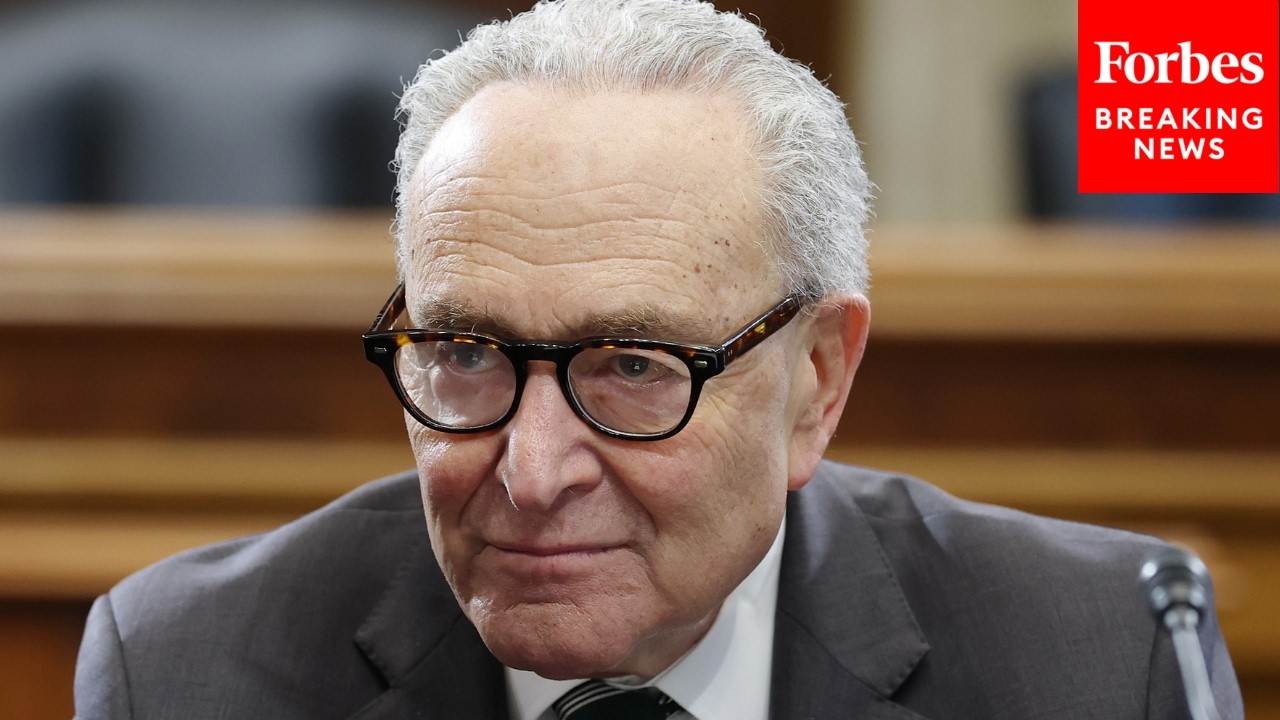
Republican senators have once again thwarted a Democratic effort to limit U.S. military action in [[iran|Iran]], marking the sixth such attempt to pass a [[war-
Summary
Republican senators have once again thwarted a Democratic effort to limit U.S. military action in [[iran|Iran]], marking the sixth such attempt to pass a [[war-powers-resolution|War Powers Resolution]]. The move comes as Democrats intensely questioned former President [[donald-trump|Donald Trump]]'s defense secretary and the strategic underpinnings of his administration's approach to the Middle East. This legislative deadlock highlights the ongoing partisan divide on foreign policy and the executive branch's ability to unilaterally engage in military conflicts, a debate with deep historical roots in American governance.
Key Takeaways
- Republicans have blocked a sixth war powers resolution aimed at limiting U.S. military action in Iran.
- Democrats are criticizing former President Trump's defense secretary and his administration's Iran strategy.
- The vote highlights the persistent partisan divide over presidential war-making authority.
- This action revives debates surrounding the [[war-powers-resolution|War Powers Resolution of 1973]].
- The ongoing legislative deadlock underscores tensions between Congress and the executive branch on foreign policy.
Balanced Perspective
The core of this conflict lies in the interpretation and application of the [[war-powers-resolution|War Powers Resolution of 1973]], a law designed to curb presidential power to commit U.S. forces without congressional consent. Democrats argue that the Trump administration's actions in Iran lacked sufficient congressional authorization, while Republicans contend that existing authorities are adequate or that the specific circumstances warranted executive action. The repeated blocking indicates a fundamental disagreement on the balance of power between the legislative and executive branches concerning military engagement.
Optimistic View
This repeated blocking of war powers resolutions, while frustrating for Democrats, ultimately reinforces the executive branch's prerogative in national security matters, allowing for swift and decisive action when threats emerge. The GOP's stance ensures that the President, as Commander-in-Chief, retains the flexibility to respond to evolving geopolitical situations in regions like [[iran|Iran]] without being unduly constrained by partisan legislative hurdles. This approach prioritizes national security over political maneuvering, a necessary stance in a volatile world.
Critical View
The persistent Republican obstruction of war powers resolutions, particularly concerning [[iran|Iran]], signals a dangerous erosion of congressional oversight and a dangerous consolidation of war-making power within the executive branch. This pattern, exemplified by the scrutiny of [[donald-trump|Donald Trump]]'s past actions, risks normalizing unauthorized military interventions and setting a precedent where presidents can bypass legislative checks and balances, leading to potentially protracted and ill-defined conflicts with significant human and financial costs.
Source
Originally reported by The Guardian